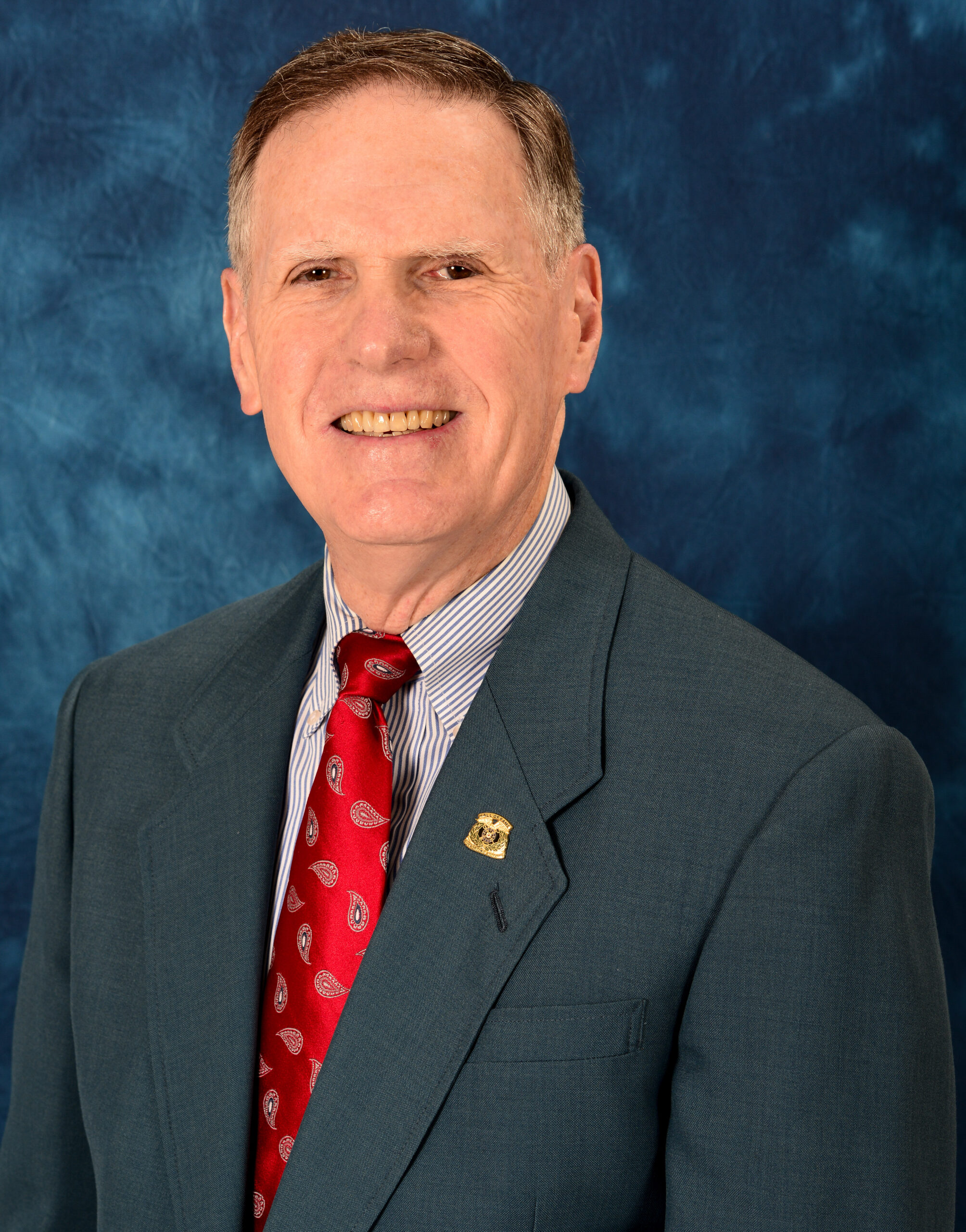
Major General (Ret.)
Richard E. Beale, Jr.
Foundation President
President’s Message:
If you are a Quartermaster Soldier or Civilian of any rank or grade or any component (Regular, Reserve, Guard, DA Civilian, active or retired) or just an affiliate or friend of the Quartermaster Corps, you are important to us. Why, because you’re one of us, and you’re family. And whether you are actively employed or retired, you can join the Foundation. The only stipulation is that to serve as a Foundation director, you must be retired or employed in the private sector.
I am frequently asked, “Why should I join the Foundation?” My response is always the same. Why shouldn’t you join the Foundation? Aren’t you a Quartermaster by profession? Aren’t you a part of Quartermaster history? Remember, it’s your museum, and it’s your story. Oh, and by the way, this is your Foundation. Your Foundation helps your museum preserve your legacy. And your Foundation needs a measure of your time, your talents, and your treasures (hopefully all three) to provide sustained support to the Quartermaster Museum as we have done for 65 years.
Our Purpose
The Army Quartermaster Foundation, Inc. is an educational organization dedicated to preserving and furthering the history and heritage of the United States Army Quartermaster Corps.
How You Can Help
There are several ways you can contribute to the mission of the Army Quartermaster Foundation
Donate
Donations of any size are welcome and appreciated. All donated funds help to preserve and promote the history and heritage of the Quartermaster Corps and support Museum operations.
Become a Member
Membership in the Army Quartermaster Foundation is an opportunity to contribute to the preservation and promotion of Quartermaster Corps history and heritage.
Join the Roll Call
The Army Quartermaster Roll Call is an ever-growing permanent register at the Quartermaster Museum of the men and women of the Quartermaster Corps.
Coming soon…